
There’s something quietly rewarding about roasting soybeans at home. Watching them shift from dull beige to deep, crackly brown is a slow, meditative process that makes you appreciate the simple act of transforming humble ingredients. It’s not about perfection—just a mindful moment in the kitchen, turning everyday beans into a snack that’s both crunchy and nutty, with a whisper of smoky charm.
I’ve always loved the quiet rhythm of roasting, especially when I need a break from the chaos of daily life. The soybeans crackle as they hit the hot oven, and the smell of toasted legumes fills the kitchen—warm, earthy, with a hint of caramel. It’s honestly a small ritual that brings a little calm, a tiny act of care for myself, that I keep coming back to. Plus, they’re ridiculously easy to customize and snack on whenever the craving hits.
Focusing on the overlooked beauty of simple, home-toasted soybeans, highlighting how their transformation from dull legumes to crispy, nutty snacks can be a surprisingly meditative and satisfying kitchen ritual.
The story behind this recipe
- One afternoon, I was cleaning out my pantry and found a bag of soybeans I’d forgotten I had. Instead of tossing them, I decided to see what roasting could do. The first batch came out smoky and nutty, with a satisfying crunch that reminded me of childhood snacks but with a deeper, earthier flavor.
- That moment made me realize how much joy there is in giving simple ingredients a new life—transforming them with heat and patience. It’s like a small, quiet act of creativity that turns humble beans into something snackable and fulfilling, especially when you need a break from the usual chips or nuts.
- heading: ‘The story behind this recipe’
Ingredient breakdown
- Soybeans: I love using dry, organic soybeans—they crackle and pop as they roast, giving a smoky aroma. You can swap with edamame for a milder, softer texture, but they won’t turn as crispy.
- Oil: Just a light drizzle of neutral oil helps the beans crisp evenly and adds a subtle sheen. If you skip it, expect a drier crunch and less flavor depth.
- Salt: I prefer coarse sea salt—it enhances the nutty flavor beautifully. For a little extra zing, try smoked salt, which adds a gentle smoky note to the beans.
- Spices: A pinch of smoked paprika or chili powder can turn these into an addictive snack. If you’re avoiding heat, a dash of garlic powder works well, too—just a whisper of savory warmth.
- Optional sweetener: A tiny drizzle of honey or maple syrup during the last few minutes can create a sweet, sticky glaze. Skip it if you want pure roasted nuttiness, but it’s a lovely twist.
- Herbs: Fresh or dried thyme or rosemary can be tossed in before roasting. They release fragrant oils that make the beans smell like a cozy kitchen—use sparingly so they don’t burn.
- Vinegar: A splash of apple cider vinegar after roasting can brighten the flavor, balancing the smoky richness. If you prefer it plain, just skip the acid for a purer, earthier taste.
Spotlight on key ingredients
Soybeans:
- I love using dry, organic soybeans—they crackle and pop as they roast, giving a smoky aroma. You can swap with edamame for a milder, softer texture, but they won’t turn as crispy.
- Oil: Just a light drizzle of neutral oil helps the beans crisp evenly and adds a subtle sheen. If you skip it, expect a drier crunch and less flavor depth.
Spices & Seasonings:
- Salt: I prefer coarse sea salt—it enhances the nutty flavor beautifully. For a little extra zing, try smoked salt, which adds a gentle smoky note to the beans.
- Spices: A pinch of smoked paprika or chili powder can turn these into an addictive snack. If you’re avoiding heat, a dash of garlic powder works well—just a whisper of savory warmth.
- Optional sweetener: A tiny drizzle of honey or maple syrup during the last few minutes can create a sweet, sticky glaze. Skip it if you want pure roasted nuttiness, but it’s a lovely twist.
Notes for ingredient swaps
- Dairy-Free: Use a splash of water or vegetable broth instead of oil. Less crispy, but still flavorful.
- Salt: Kosher salt can be used instead of sea salt; just adjust the amount for saltiness.
- Spices: Smoked paprika can be swapped with cumin or turmeric for different smoky or earthy notes.
- Sweetener: Honey or maple syrup can be replaced with agave nectar or omitted entirely for a purely roasted flavor.
- Vinegar: Apple cider vinegar can be swapped with lemon juice or omitted for a brighter or more neutral finish.
Equipment & Tools
- Baking sheet with rim: Holds soybeans and contains drips during roasting.
- Mixing bowl: Tossing soybeans with oil and spices evenly.
- Kitchen towel: Drying soybeans thoroughly for maximum crispness.
- Oven thermometer (optional): Ensuring accurate oven temperature.
Step-by-step guide to roasting soybeans
- Preheat your oven to 180°C (350°F). Use a baking sheet with a rim to catch any drips.
- Measure out 1 cup of dry soybeans. Rinse thoroughly under cold water to remove any dust, then drain well.
- Pat the soybeans dry with a clean towel. Moisture is the enemy of crispiness, so make sure they’re as dry as possible.
- In a bowl, toss the soybeans with 1 teaspoon of neutral oil—canola or grapeseed. Just enough to coat evenly.
- Add ½ teaspoon of coarse sea salt and any desired spices—paprika, chili powder, garlic powder—whatever suits your mood.
- Spread the soybeans in a single layer on the prepared baking sheet. Don’t crowd them; air needs to circulate.
- Bake for 20–25 minutes, stirring halfway through. Keep an eye out for color—deep golden brown, no burnt edges.
- When they crackle and smell toasted, check their texture. They should be crispy but not burnt. If not, bake for another 2–5 minutes.
- Remove from oven and let cool on the sheet for 10 minutes. They’ll continue to crisp as they cool down.
- Taste and adjust seasoning if needed. For extra flavor, toss with a splash of vinegar or a sprinkle of more salt while still warm.
- Serve in bowls, enjoy right away for maximum crunch. Store leftovers in an airtight container for up to 3 days, but best fresh.
- If they seem a bit soft after cooling, pop them back in a 150°C (300°F) oven for 5 minutes to revive the crunch.
Let the roasted soybeans cool completely on the sheet. Serve immediately for best crunch, or store in an airtight container. For extra crispness, reheat in a 150°C (300°F) oven for 5 minutes before serving again.
How to Know It’s Done
- Color: Deep golden brown, no black spots.
- Smell: Toasty, nutty aroma fills the kitchen.
- Texture: Crisp and crackly when cooled, no softness or steam.
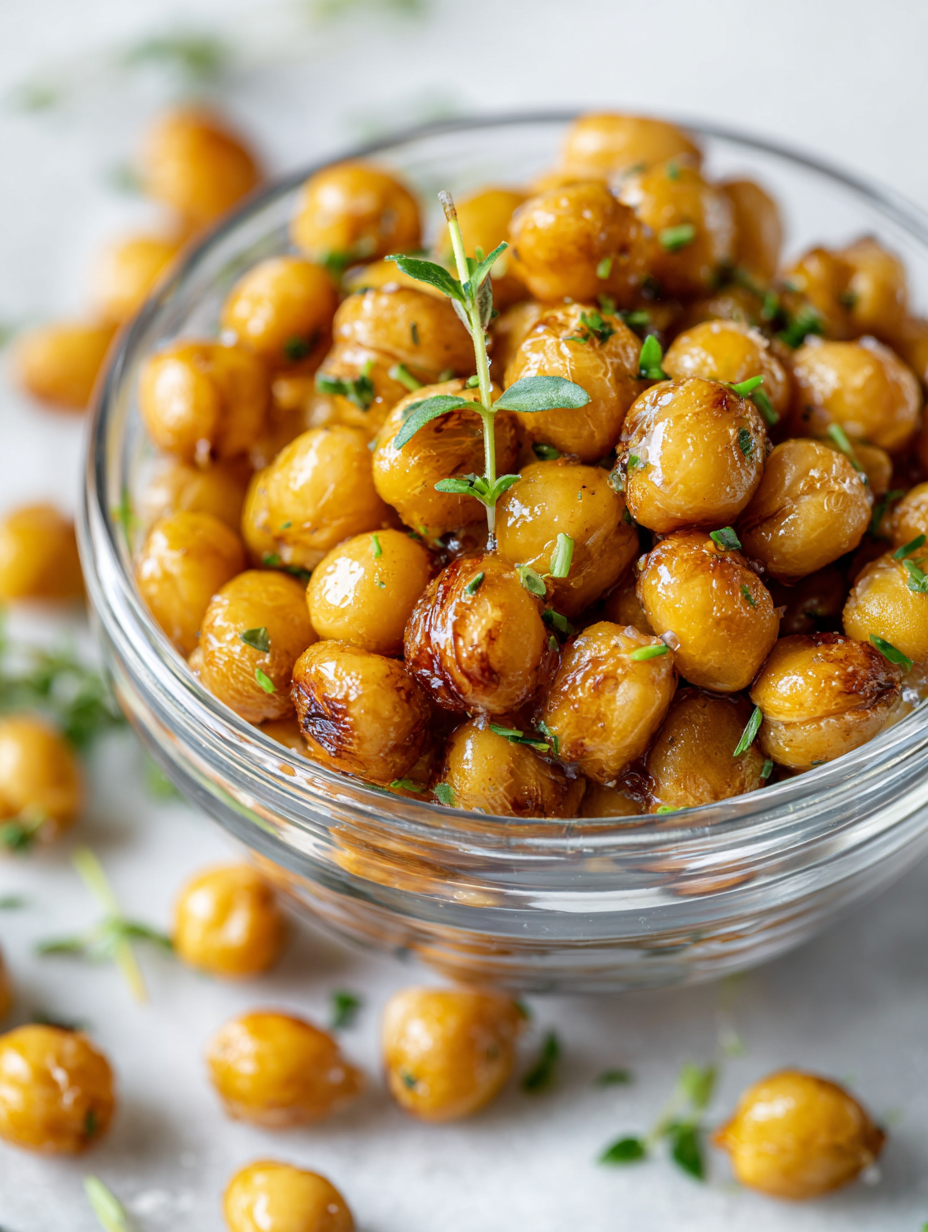
Homemade Roasted Soybeans
Ingredients
Equipment
Method
- Preheat your oven to 180°C (350°F). Ensure your baking sheet is ready and set aside.
- Measure out a cup of dry soybeans, then rinse them thoroughly under cold water to remove any dust or debris. Drain well and pat dry with a kitchen towel until completely dry.
- Place the dried soybeans in a mixing bowl and drizzle with a teaspoon of neutral oil. Toss gently to coat all beans evenly—this helps them crisp up nicely.
- Add the coarse sea salt and any spices you like—such as smoked paprika or chili powder—then toss again to distribute the seasonings evenly.
- Spread the seasoned soybeans in a single layer on your prepared baking sheet, making sure they’re not crowded—air circulation is key for even roasting.
- Bake the soybeans in the preheated oven for 20–25 minutes, stirring or shaking the pan halfway through. Keep an eye on them as they turn a deep golden brown and emit a toasty aroma—this is your cue they’re nearing perfection.
- Once they’re crispy and fragrant, remove the soybeans from the oven and let them cool on the baking sheet for about 10 minutes. They’ll continue to crisp up as they cool down.
- If desired, toss the cooled soybeans with a splash of vinegar for a bright, tangy finish. Taste and adjust the seasoning with more salt if needed.
- Transfer the roasted soybeans to a bowl and enjoy immediately for the best crunch. Store any leftovers in an airtight container at room temperature for up to 3 days, reheating briefly if needed to revive their crispness.
Notes
Top tips for crispy roasted soybeans
- Even coating: Toss soybeans with just enough oil—about a teaspoon per cup—to ensure even crisping without sogginess.
- Watch the color: Keep a close eye after 20 minutes; deep golden brown is perfect, black edges mean burnt.
- Stir halfway: Flip or shake the pan around the 10-minute mark to promote uniform roasting and prevent sticking.
- Dry thoroughly: Pat soybeans completely dry before oiling—moisture hampers crispness and creates steam.
- Add spice late: Mix in spices like paprika or chili powder during the last 5 minutes for vibrant flavor without burning.
- Cool before storing: Let beans cool fully on the sheet—warm beans can sweat and become soggy if stored immediately.
- Reheat crispily: Re-toast in a 150°C (300°F) oven for 5 minutes to revive crunch without overcooking.
Common mistakes and how to fix them
- FORGOT to dry soybeans thoroughly, resulting in less crispness. Always pat dry before roasting.
- DUMPED too much oil, causing soggy beans. Use just a light, even coating.
- OVER-TORCHED the beans, making them bitter. Keep an eye on color after 20 minutes.
- MISSED the stir halfway, leading to uneven roasting. Stir to ensure even crunch.
Quick fixes and pantry swaps
- When beans seem soft, splash with a little more oil for added crispness.
- If beans stick, patch with parchment paper or switch to a silicone baking mat.
- Splash with lemon juice if beans taste dull or flat after roasting.
- Dumped too much salt? Rinse lightly and dry before roasting again.
- Over-torched? Shield with foil and lower oven temp for a gentler finish.
Prep, store, and reheat tips
- Pre-roasted soybeans can be made a day ahead; keep in an airtight container for maximum crunch.
- Store roasted soybeans at room temperature for up to 3 days; longer storage may cause staleness.
- For longer shelf life, refrigerate in an airtight container for up to a week, but expect slight flavor dulling.
- Reheat in a 150°C (300°F) oven for 5 minutes until crispy again, listening for crackling and smelling toasted.
Top questions about roasted soybeans
1. How do I pick good soybeans for roasting?
Look for soybeans that are dry and firm, with a pale beige color. Avoid any that look shriveled or have spots. Fresh soybeans will crackle when you bite them after roasting.
2. What should roasted soybeans feel and smell like?
Roasted soybeans should be crispy and crunchy, with a deep nutty aroma. If they feel soft or chewy, they need more time in the oven or weren’t dried properly.
3. How do I know when roasted soybeans are done?
Stir the soybeans halfway through roasting to ensure they brown evenly. Check at 20 minutes, and if they’re not golden and crackly, give them a few more minutes.
4. What if my soybeans burn or aren’t crispy enough?
If they’re too dark or smell burnt, remove them immediately. Slightly underdone beans will crisp up as they cool, so err on the side of a lighter roast.
5. How should I store roasted soybeans?
Store roasted soybeans in an airtight container at room temperature for up to 3 days. For longer storage, refrigerate for up to a week, but freshness may diminish.
6. How do I reheat roasted soybeans?
Reheat roasted soybeans in a 150°C (300°F) oven for about 5 minutes. They will crackle again and regain their crunch. Avoid microwaving for best texture.
7. When should I add spices during roasting?
Adding spices like smoked paprika or chili powder during the last 5 minutes boosts flavor without burning. Toss with spices early to risk bitter notes.
8. How can I keep roasted soybeans crispy?
To keep them crispy longer, store in a cool, dry place, and avoid humidity. For extra crunch, re-toast briefly before serving.
9. Why do my roasted soybeans lose crunch?
If soybeans seem soft after roasting, return them to the oven for a few minutes at 150°C (300°F) to revive crunch.
10. How can I enjoy roasted soybeans in meals?
Roasted soybeans pair well with simple snacks, salads, and can be flavored with various spices for different tastes. They keep a rich, nutty aroma that’s hard to resist.
There’s something grounding about turning dry soybeans into a crunchy, fragrant snack right in your own oven. The smell of toasted legumes filling the kitchen makes the whole process feel like a small victory, a simple act of care. Plus, they’re a humble, satisfying snack that’s easy to customize and always worth the effort.
Whenever I make these, I’m reminded how much beauty there is in small, mindful kitchen rituals. They’re perfect for a quiet moment alone or as a quick, crunchy addition to a larger spread. In a world that’s often too busy, these roasted soybeans bring a slow, honest pleasure that’s hard to beat.