Vegetable croquettes are one of those dishes that bring back a flood of childhood memories—crispy on the outside, tender and flavorful inside, often eaten straight from a paper plate on a sunny afternoon. There’s something about that perfect crunch combined with the warm, soft veggie filling that feels like a cozy hug, even now, as an adult trying to recreate that simple joy. It’s not just comfort food; it’s a way to reconnect with those carefree moments, now layered with the satisfaction of customizing fillings based on what’s in season or what leftovers I have lying around.
Making croquettes at home feels like a small act of rebellion against the overly polished, uniform snacks you find in stores. It’s messy, a little chaotic, but deeply rewarding. I love experimenting with different vegetables—sweet potatoes, carrots, even zucchini—each bringing its own character to the crispy shell. And honestly, there’s a quiet pride in shaping each one, knowing they’ll turn golden and crackly in the pan, revealing that tender, flavorful interior.
Focusing on the nostalgic comfort of vegetable croquettes by highlighting how their crispy exterior and tender interior evoke childhood memories, while also exploring how customizing fillings can turn this classic into a canvas for seasonal flavors and personal twists.
Revisiting Childhood in Every Bite
- Making these croquettes feels like a quiet rebellion against store-bought snacks, messy but so worth it.
- Watching the golden exterior crackle as I fry them, I’m transported back to lazy weekend afternoons.
- I love customizing fillings—sometimes spicy, sometimes cheesy—each batch tells a new story.
- There’s an odd pride in shaping each one, knowing they’ll turn crispy and tender inside, a small act of kitchen joy.
The story behind this recipe
- This recipe was born out of a summer spent rummaging through my grandma’s old recipe box, where I found a faded note about her vegetable croquettes. I remember the smell of fried vegetables mingling with a hint of garlic, filling her tiny kitchen with a warm, inviting aroma. That day, I realized these simple little bites carried more than just flavor—they held stories of family gatherings and lazy weekend afternoons that I wanted to revive in my own way.
- Each time I make them, I think about how childhood comfort can be so easily recreated with just a few humble ingredients. It’s a messy process, shaping each croquette, but that’s part of the charm. There’s a quiet satisfaction in turning leftovers or seasonal produce into something crispy and golden, a little act of culinary nostalgia that still feels fresh.
- heading: The story behind this recipe
Historical & Cultural Tidbits
- Vegetable croquettes trace their roots to European cuisines, especially France and Spain, where fried vegetable patties evolved into refined snacks.
- In the early 20th century, croquettes became a popular way to use leftover cooked vegetables, turning humble ingredients into crispy delights.
- The word ‘croquette’ comes from the French ‘croquer,’ meaning to crunch, which perfectly describes their crispy exterior.
- During wartime rationing, vegetable croquettes served as an inventive way to stretch limited ingredients into satisfying bites.
Key Ingredients & Tips
- Carrots: I love the natural sweetness and vibrant color they bring; make sure to grate finely so they meld smoothly into the mixture, and keep an eye out for that fresh, earthy aroma as they cook.
- Potatoes: They form the creamy base, and I prefer starchy Russets for that fluffy interior; mash thoroughly until smooth—any lumps, and your croquettes might fall apart, so take your time.
- Garlic: Adds a punch of flavor, especially when sautéed until fragrant and slightly caramelized; don’t skip this step or you’ll miss that warm, smoky aroma that makes all the difference.
- Breadcrumbs: They create the crispy shell, so choose good-quality, lightly toasted ones; if you want a thicker crunch, sprinkle some on top before frying for extra texture.
- Eggs: Bind everything together, and I always beat them well to ensure a smooth, cohesive mixture; if you’re avoiding eggs, a tablespoon of flour mixed with water can work, but the texture will be slightly different.
- Herbs & Spices: Fresh parsley or dill add brightness, but feel free to experiment with thyme or cumin for a different flavor profile; add at the end to keep their fresh, grassy notes lively.
- Oil: Use a neutral oil like vegetable or canola, and make sure it’s hot enough (around 180°C/356°F) so the croquettes turn golden and crispy quickly without absorbing too much fat.
Spotlight on key ingredients
Carrots:
- I love their natural sweetness and vibrant orange hue; they soften beautifully, releasing a faint earthy aroma as they cook, and add a pop of color that’s almost too cheerful to be real.
- Potatoes: They’re the backbone, creamy and fluffy when mashed. Russets are my go-to—they create that melt-in-the-mouth interior. Watch for lumps—smooth mash is key for cohesion.
Breadcrumbs:
- Eggs: They act as the glue, binding everything together. When beaten, they create a shiny, slightly viscous mixture that helps croquettes hold shape. For vegan tweaks, flaxseed slurry mimics that silky texture.
- They’re the crunchy armor. Lightly toasted or seasoned, they turn golden and crackly, contrasting nicely with the tender filling. Using fresh ones can give a softer crunch, so opt for good-quality, crisp crumbs.
Notes for ingredient swaps
- Dairy-Free: Swap regular milk or cream for almond or soy milk. Slightly less rich, but still creamy enough for binding.
- Gluten-Free: Use gluten-free breadcrumbs or crushed rice crackers instead of traditional breadcrumbs. Expect a slightly different crunch.
- Low-Sodium: Opt for unsalted butter or omit added salt; rely on fresh herbs and spices for flavor.
- Vegan: Replace eggs with a flaxseed or chia seed slurry (1 tbsp seeds + 3 tbsp water, rested 10 min); maintain binding and moisture.
- Extra Flavor: Add a pinch of smoked paprika or cayenne to the mixture for a smoky or spicy kick, especially good with sweet potatoes.
- Herb Variations: Swap parsley for dill or basil for a different aromatic profile. Fresh herbs brighten the filling significantly.
- Oil for Frying: Use avocado or light olive oil for a healthier option; watch for slight flavor differences but maintain good heat stability.
Equipment & Tools
- Skillet or frying pan: For frying the croquettes evenly
- Thermometer: To monitor oil temperature
- Mixing bowl: Combine ingredients thoroughly
- Cooking spoon or tongs: Turn and remove croquettes from oil
- Paper towels: Drain excess oil after frying
- Three shallow dishes: Set up for flour, egg wash, and breadcrumbs
Step-by-step guide to vegetable croquettes
- Gather all ingredients: grated vegetables, mashed potatoes, herbs, spices, eggs, breadcrumbs, and oil. Prepare a large mixing bowl and a plate for breading.
- In a skillet over medium heat (about 160°C/320°F), sauté diced garlic in a tablespoon of oil until fragrant, about 1 minute. Let cool slightly.
- Combine the grated vegetables and mashed potatoes in the bowl. Add sautéed garlic, chopped herbs, spices, and beaten egg. Mix thoroughly until well combined and cohesive.
- Check the mixture: it should hold its shape when pressed. If too sticky, stir in a little more breadcrumbs; if too dry, add a splash of water or more egg.
- Shape the mixture into small, oval or round croquettes, about 2 inches long. Keep them uniform for even frying.
- Heat enough oil (vegetable or canola) in a deep skillet or frying pan over medium-high heat (around 180°C/356°F). To test, drop a small piece of bread—if it sizzles immediately and turns golden in 30 seconds, it’s ready.
- Prepare a breading station: place flour, beaten eggs, and breadcrumbs in separate shallow dishes.
- Dredge each croquette in flour, tapping off excess. Then dip into the beaten eggs, allowing excess to drip off. Finally, coat evenly with breadcrumbs, pressing lightly to adhere.
- Fry the croquettes in batches, avoiding overcrowding. Cook for about 3–4 minutes, turning occasionally, until golden and crispy. They should sound crackly when tapped.
- Once fried, transfer to a paper towel-lined plate to drain excess oil. Let rest for 2 minutes before serving to firm up the crust.
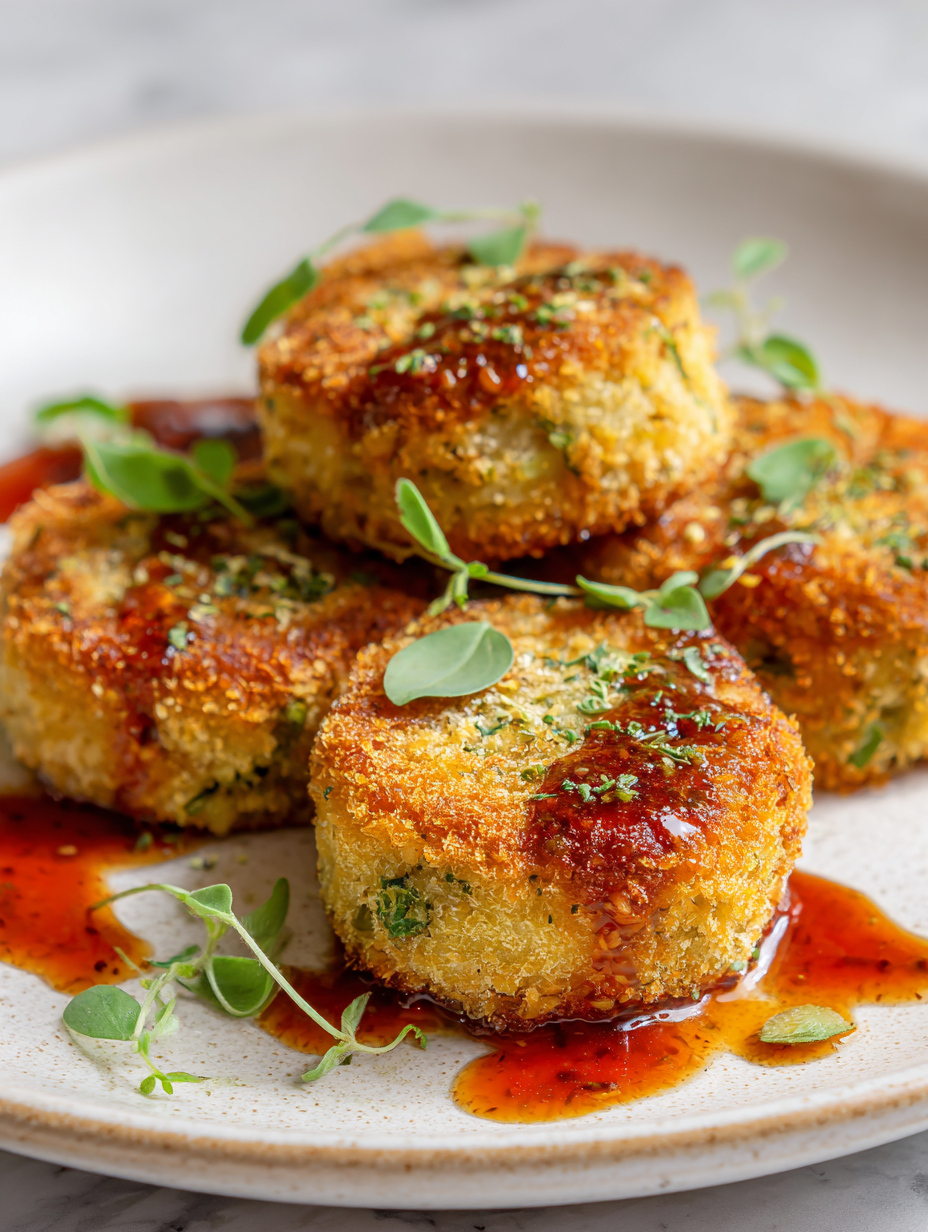
- Serve hot, with a squeeze of lemon or your favorite dipping sauce. The crust should be crackling, and the inside tender and flavorful.
Let the croquettes rest for 2 minutes on a wire rack or paper towels before serving. This helps set the crust and prevents sogginess. Serve immediately while hot and crispy, garnished with herbs or a squeeze of lemon for extra brightness.
How to Know It’s Done
- Golden, crispy exterior with crackly sound when tapped.
- Filling is tender, steaming slightly when bitten.
- Croquettes hold shape without falling apart during frying.
Vegetable Croquettes
Ingredients
Equipment
Method
- Gather all ingredients: grated vegetables, mashed potatoes, minced garlic, chopped herbs, beaten egg, breadcrumbs, flour, and oil.
- In a skillet over medium heat, sauté the minced garlic in a tablespoon of oil until fragrant, about 1 minute. Let it cool slightly.
- In a large mixing bowl, combine the grated vegetables and mashed potatoes. Add the sautéed garlic and chopped herbs, then pour in the beaten egg. Mix everything thoroughly until well combined and cohesive.
- Check the mixture: it should hold its shape when pressed. If too sticky, stir in a little more breadcrumbs; if too dry, add a splash of water or extra egg.
- Shape the mixture into small, oval or round croquettes, about 2 inches long, using your hands. Keep them uniform for even frying.
- Heat enough oil in a skillet over medium-high heat until it reaches about 180°C (356°F). To test, drop a small piece of bread—if it sizzles immediately and turns golden in 30 seconds, the oil is ready.
- Prepare a breading station with flour, beaten egg, and breadcrumbs in separate shallow dishes.
- Dredge each croquette in flour, then dip into the beaten egg, allowing excess to drip off. Coat evenly with breadcrumbs, pressing lightly to stick.
- Fry the croquettes in batches, about 3–4 minutes each, turning occasionally with tongs until golden brown and crispy. They should crackle when tapped.
- Transfer the fried croquettes to a paper towel-lined plate to drain excess oil. Let them rest for 2 minutes to set the crust.
- Serve the croquettes hot, garnished with fresh herbs or a squeeze of lemon. Enjoy their crispy exterior and tender, flavorful interior with your favorite dipping sauce.
Tips for perfect vegetable croquettes
- Use a gentle touch when shaping croquettes to keep the filling intact and avoid cracks.
- Keep oil at a steady 180°C (356°F) for crispy, golden exteriors without burning.
- Rest shaped croquettes in the fridge for 15 minutes before frying to improve shape retention.
- Add a pinch of smoked paprika to breadcrumbs for a subtle smoky flavor that complements the vegetables.
- When frying, do it in batches to prevent temperature drops, which can cause soggy croquettes.
- If the mixture feels too sticky, dust your hands with a little flour to shape more easily.
- For extra crunch, double coat croquettes—dip once in egg, then in breadcrumbs, then repeat.
Common mistakes and how to fix them
- FORGOT to dry vegetables thoroughly → Soggy croquettes; pat vegetables dry before mixing.
- DUMPED too much oil in pan → Croquettes absorb excess fat; keep oil shallow, about 2-3cm deep.
- OVER-TORCHED during frying → Croquettes burn outside, raw inside; fry at proper temp and watch closely.
- SHARED mixture without testing → Croquettes fall apart; check binding and adjust with more breadcrumbs if needed.
Quick fixes and pantry swaps
- When oil shimmers and crackles, it’s ready for croquettes; splash a tiny bit of water to test.
- If croquettes stick to pan, patch with more oil and gently loosen edges with a spatula.
- Splash a little lemon juice or vinegar if fried croquettes smell overly oily or dull.
- DUMPED too much flour? Shake excess off before frying to prevent soggy shells.
- When croquettes are pale, shield with a quick turn to browning for even crispness.
Prep, store, and reheat tips
- Prepare the vegetable mixture and shape croquettes up to a day in advance; keep them covered in the fridge to prevent drying out.
- Cooked and cooled croquettes can be stored in an airtight container in the refrigerator for up to 2 days; reheat in a hot oven for crispiness.
- Unfried shaped croquettes freeze well for up to 1 month; individually flash-freeze on a tray, then transfer to a bag. Bake directly from frozen, adding a few extra minutes.
- Reheating fried croquettes in a 180°C (356°F) oven preserves crispness better than microwave, which can make them soggy. Watch for that crackle when they reheat.
- For best sensory results, reheat until the exterior is crackling and the interior is steaming hot. The aroma of fried vegetables should be fresh and inviting.
Top questions about vegetable croquettes
1. How do I prevent croquettes from falling apart?
Use firm, grated vegetables like carrots and zucchini, and squeeze out excess moisture for a crisp exterior.
2. What’s the best oil temperature for frying?
Ensure the oil is hot enough (around 180°C/356°F) before frying; it crisps the outside quickly and seals in moisture.
3. Should I chill the shaped croquettes before frying?
Shape the croquettes firmly, and let them rest in the fridge for 15 minutes before frying to help hold their shape.
4. How can I make the croquettes crunchier?
Use fresh breadcrumbs for crunch, and double coat for extra crispness. Keep the mixture moist but not sticky.
5. How do I season the croquettes properly?
Adjust seasoning by tasting the mixture before shaping—add more herbs, salt, or spices as needed.
6. Can I prepare these ahead and freeze them?
Freeze uncooked croquettes on a tray, then transfer to a bag. Bake directly from frozen, adding a few minutes.
7. How should I reheat leftover croquettes?
Use a slotted spoon to drain excess oil quickly, and serve immediately for the best crunch and flavor.
8. My mixture is too wet or sticky, what now?
If mixture feels too sticky, add more breadcrumbs; if too dry, mix in a splash of water or an extra egg.
9. What’s the best oil for frying croquettes?
Use a neutral oil like vegetable or canola for frying; it has a high smoke point and mild flavor.
10. How do I know when croquettes are done?
Look for a golden-brown, crispy exterior that crackles when tapped, with a tender, steaming inside when bitten.
These vegetable croquettes aren’t just a nostalgic snack; they’re a reminder that simple ingredients can deliver real comfort. Fried until golden and crackly, each bite is a contrast of crispy shell and tender filling that makes you slow down and savor. Making them feels like a small act of care, turning leftovers or seasonal produce into something special.
In a world full of quick fixes, these croquettes ask for a little patience and attention—worth every second. They’re perfect for sharing, a quiet celebration of humble ingredients transformed into something truly satisfying. Just keep the oil hot, the mixture firm, and the frying steady, and you’ll have a batch that’s hard to resist.